Sustainable Solutions: How E-Waste Recycling Services Are Saving Our Planet
E-waste represents a considerable hazard to the environment, as discarded electronics often contain toxic materials. Such dangerous compounds can pollute soil and water supplies, resulting in widespread environmental harm. E-waste recycling services present a viable solution. They not only recover valuable resources but also mitigate pollution. Gaining insight into how these programs function and affect local communities is critical. The journey towards effective e-waste management raises critical questions about individual responsibility and collective action. What actions should be considered going forward?
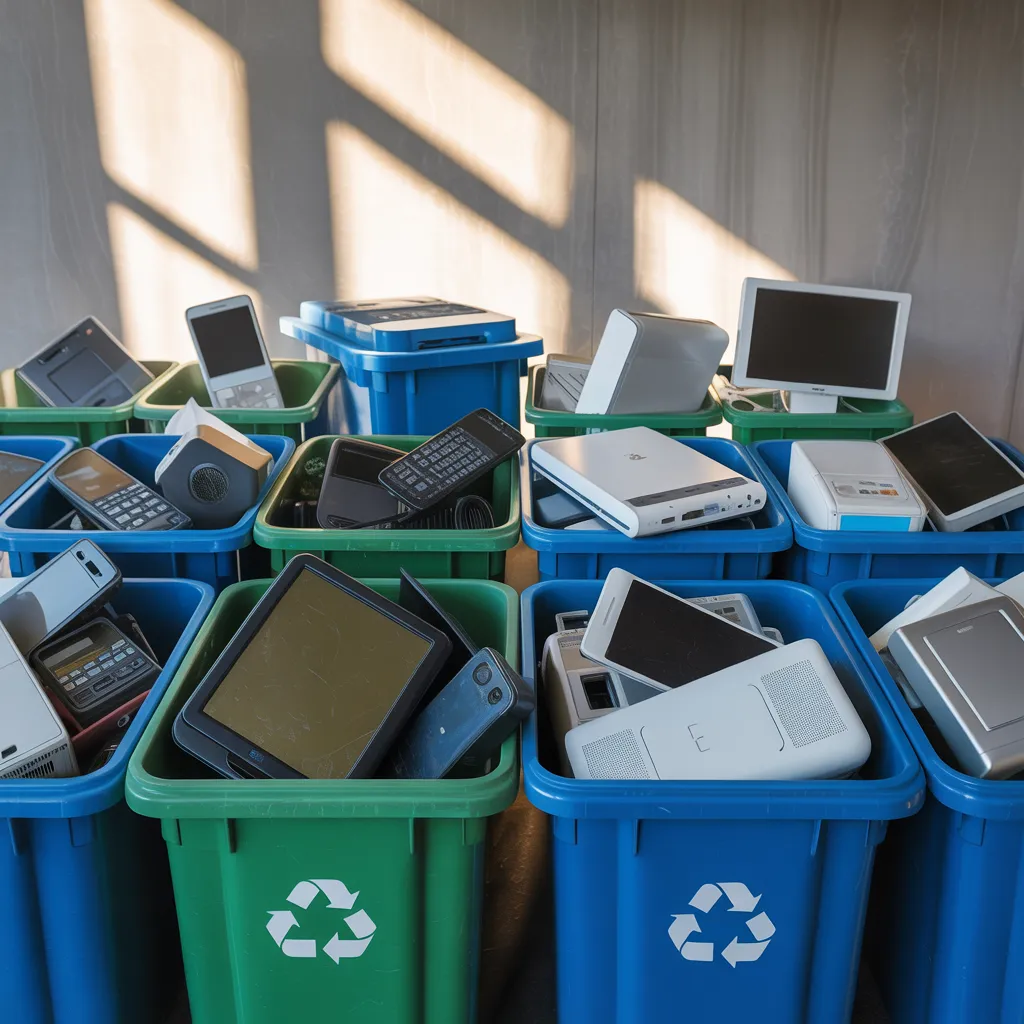
Why Electronic Waste Is Harmful to the Planet
While technology enhances modern life, electronic waste presents serious threats to the environment. Disposed electronic equipment, commonly laden with hazardous materials such as mercury, lead, and cadmium, are capable of seeping pollutants into groundwater and soil, creating hazards for both wildlife and human well-being. The rapid pace of technological advancement results in greater consumer replacement of electronic See the full post devices, intensifying the growing problem of e-waste.
Landfills, already strained by waste, are unable to keep up with the rising quantities of abandoned electronics. Incineration, a common waste management technique, emits dangerous pollutants into the environment, degrading atmospheric conditions. Furthermore, inadequate recycling methods can result in the shipment of electronic waste to underdeveloped nations, where workers may break down equipment without proper protective measures, putting themselves at risk of exposure to hazardous materials. This cycle of neglect and improper handling underscores the urgent need for sustainable recycling solutions that can mitigate the adverse effects of e-waste on the planet.
What Is E-Waste and Why Is It Important?
Electronic waste, commonly known as e-waste, encompasses discarded electronic devices like computers, smartphones, and televisions that are no longer functional or needed. This rapidly expanding waste category is noteworthy owing to its accelerating volume, fueled by innovation in technology and shifting consumer habits. As more devices become obsolete, the ecological consequences become more pronounced, with harmful substances like lead, mercury, and cadmium presenting serious hazards to the environment and human well-being.
The importance of addressing e-waste lies not only in mitigating these hazards but also in recognizing the valuable materials it contains. Critical metals and rare earth components can be reclaimed and recycled, decreasing the reliance on mining and protecting natural resources. With a thorough understanding of e-waste and its impact, people and organizations alike can make educated decisions about disposal and recycling, helping to build a more sustainable world. Proper management of e-waste is essential for fostering a circular economy and promoting environmental stewardship.
How E-Waste Recycling Works
Recycling e-waste involves a systematic process aimed at reclaiming useful resources while reducing harm to the environment. Initially, e-waste is collected and transported to purpose-built recycling plants. Once there, the devices undergo thorough sorting to distinguish harmful elements from reusable resources.
Following this, specialists dismantle the products, recovering glass, metals, and plastics. This phase is essential, as it enables the reclamation of precious metals like copper, gold, and silver, which can be recycled in new electronic devices.
Subsequently, the divided materials are treated using sophisticated techniques, such as mechanical shredding and chemical processing, to prepare them for repurposing.
In the final step, the remaining hazardous waste is handled with responsibility, complying with environmental regulations. This systematic method not only conserves resources but also minimizes the hazards associated with irresponsible electronic waste disposal, guaranteeing a greener future for electronic device usage.
The Benefits of E-Waste Recycling for You and Your Community
While many individuals may not realize it, the positive effects of e-waste recycling go far beyond individual benefit and actively shape entire communities. By responsibly disposing of electronic waste, individuals help foster a safer environment, decreasing harmful substances that can contaminate soil and water. This responsible method actively safeguards local ecosystems and advances public health.
In addition, e-waste recycling fosters job creation within communities. Community recycling operations commonly require workers for various operations, covering everything from collection to processing, thus generating valuable job opportunities within the community. This not only boosts the local economy but also fosters community involvement in eco-friendly practices.
In addition, knowledge about e-waste recycling has the potential to generate learning opportunities, empowering residents to pursue greener alternatives. By enrolling in e-waste recycling programs, individuals promote a culture of sustainability, inspiring others to join the movement. In summary, the shared impact of these actions can contribute to a more robust and eco-friendly community.
Tips for Choosing an E-Waste Recycling Service
Selecting the most suitable electronic waste recycling provider is vital for ensuring that e-waste is managed with responsibility and sustainability. To begin, consumers should verify the provider's credentials, such as R2 and e-Stewards certifications, which indicate compliance with professional guidelines for responsible recycling methods. It's also important to assess the company's reputation by reading customer reviews and obtaining recommendations from trusted sources.
Moreover, clarity in the recycling process is essential. A dependable provider should provide clear information about the manner in which e-waste is managed and what happens to the materials. Furthermore, considering the scope of services provided can prove valuable; various firms may supply retrieval services or extend benefits for recycling.
Ultimately, being aware of area-specific requirements for e-waste disposal may further shape the selection process. By prioritizing these factors, individuals can contribute to efficient electronic waste handling as well as promoting sustainable environmental efforts.
Ways You Can Participate in E-Waste Recycling?
Getting involved with e-waste recycling often starts at the local level, where recycling centers often provide essential services for responsible disposal. Moreover, taking part in community awareness campaigns can strengthen efforts to educate others about the importance of ethical e-waste practices. These actions not only advance environmental sustainability but also build a collective sense of responsibility toward the environment.
Area Recycling Stations
A wide range of regional recycling hubs serve a vital function in e-waste recycling, offering communities convenient opportunities to dispose of electronic waste responsibly. These hubs welcome a wide array of digital devices, including used computers, handheld devices, and televisions, ensuring that harmful materials are handled safely. Most stations have experienced team members who support individuals in understanding proper disposal practices, underscoring the benefits of recycling compared to landfilling. Additionally, numerous facilities provide scheduled drop-off occasions or specific collection dates, enabling residents to engage without difficulty. By utilizing these local services, residents support a circular economy, lowering environmental harm and encouraging sustainable habits. Engaging with these centers empowers communities to take action against e-waste pollution effectively.
Community Outreach Campaigns
Nearby organizations, schools, and enterprises can partner to arrange initiatives that encourage e-waste collection drives. Dedicated participants can take a leading part in spreading awareness, distributing educational materials, and engaging with the community. As a result of these combined actions, local inhabitants gain greater awareness and encouragement to properly recycle their e-waste, thereby helping to build a greener and more sustainable tomorrow.
Answers to Your Most Common Questions
What Kinds of Electronics Can Be Recycled?
Many different electronics may be recycled, including smartphones, computers, laptops, televisions, printers, and gaming consoles. Furthermore, accessories such as mice, keyboards, and batteries are equally appropriate for recycling, promoting environmental conservation efforts.
Do Any Costs Come With E-Waste Recycling?
Yes, electronic waste recycling may involve costs, based on the service provider. Some facilities impose charges for pickup or handling, while others provide no-cost solutions, frequently supported by the proceeds from salvaged materials.
How Do Businesses Gain From E-Waste Recycling?
Companies can take advantage of e-waste recycling by lowering disposal expenses, enhancing their environmental image, meeting compliance standards, reclaiming useful materials, and possibly earning income through resale, thereby fostering a more environmentally responsible business approach.
What Becomes of Data on Recycled Devices?
Details on repurposed electronics is frequently irretrievably wiped or destroyed during the refurbishment process. This guarantees private details stays protected, blocking unwanted intrusion while permitting components to be reused safely and responsibly in new products.
Are Broken Electronics Eligible for Recycling?
Yes, damaged electronics may be recycled. A wide range of recycling centers accept defective devices, providing responsible disposal and recovery of precious materials. It helps reduce harm to the environment while supporting eco-friendly recycling methods to address electronic waste efficiently.